
If a traditional fire extinguisher feels too large or you need something easier to handle, choose compact fire extinguisher sprays and fire-fighting aerosols for quick initial response to small fires.
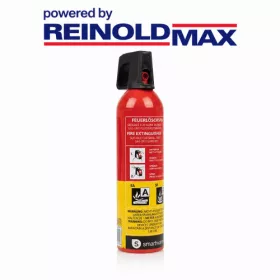
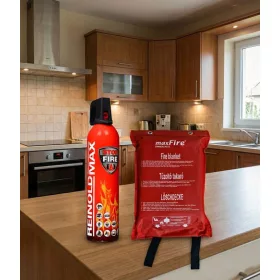
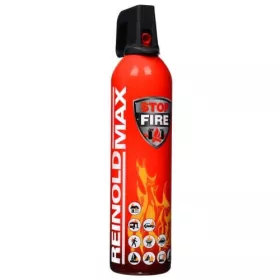
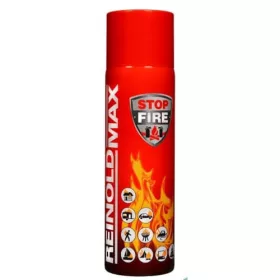
A fire extinguisher spray is a compact, easy‑to‑use tool designed to help control or extinguish smaller fires at an early stage. It works like a regular spray can: when activated, it releases an extinguishing agent that helps reduce or put out the flames on the treated surface. The contents are usually water‑based and may include compounds such as ammonium phosphate or ammonium sulfate, depending on the specific product and its intended use.
Thanks to its simple design, using a fire extinguisher spray is straightforward. Remove the cap, aim the nozzle at the base of the flames, and press the trigger or spray head. The lightweight can and intuitive operation make it suitable for users who might find a standard fire extinguisher heavy or difficult to handle. This convenience makes sprays popular for homes, cars, small workshops, offices, caravans, and boats, where a quick first response can be especially important.
However, it is essential to understand the limitations of fire extinguisher sprays. Their capacity, range, and duration are typically much more restricted than those of conventional fire extinguishers. They are generally intended for smaller, starting fires only, and their performance can vary by model and fire class. Always check the product label for the fire classes it is approved for (for example solid materials, flammable liquids, or cooking oils) and follow the manufacturer’s instructions carefully.
Fire extinguisher sprays should therefore be seen as an additional safety tool rather than a complete replacement for certified fire extinguishers and other fire safety equipment. They can provide valuable extra seconds to control or slow down a fire, support evacuation, or limit damage until more robust equipment can be used or professional help arrives.
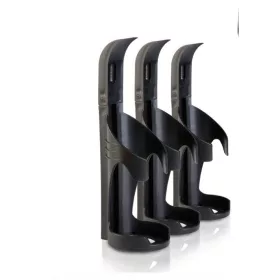
When choosing a spray, consider where you plan to use it and what typical fire risks may be present. For kitchens, look for products suitable for cooking‑related fires; for vehicles, select sprays that are compact, easy to store, and rated for common automotive fire types. Storing the spray in an easily accessible, visible location is crucial so it can be reached quickly in an emergency.
Regularly check the condition of your fire extinguisher spray. Make sure the can is intact, the nozzle is clean, and the expiry date has not passed. Replace any damaged or expired products promptly. Keep the spray away from direct sunlight, high temperatures, or freezing conditions, in line with the storage guidance on the label.
In any fire situation, personal safety is always the priority. If a fire grows, spreads rapidly, produces heavy smoke, or you feel unsure about handling it, evacuate the area immediately and contact the fire department. Fire extinguisher sprays are intended for small, manageable incidents only. They are not a substitute for professional firefighting, and they do not remove the need for a properly planned fire safety strategy that may include smoke alarms, certified fire extinguishers, fire blankets, and clear escape routes.
Within this category you will find a selection of fire extinguisher sprays designed for various environments and risk levels. By comparing capacity, fire class ratings, and intended use, you can choose the option that best fits your home, vehicle, or workplace. Used correctly and stored in the right place, a fire extinguisher spray can be a practical addition to your overall fire protection setup, helping you respond quickly to small fires while you move to safety and call the emergency services.


